
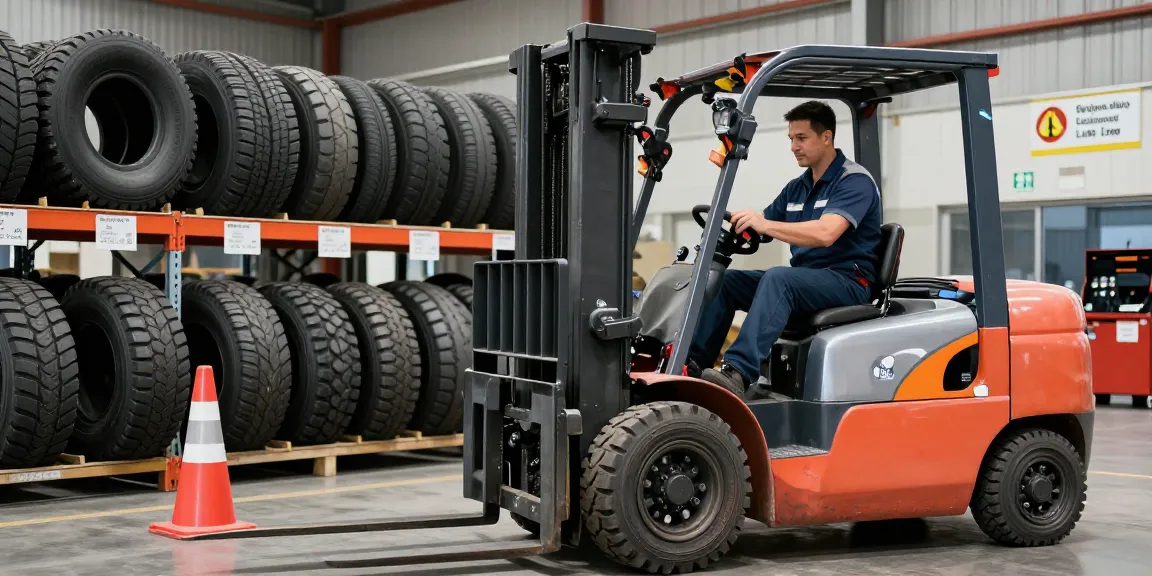
Understanding the Importance of Forklift Tyres
When it comes to maintaining an efficient and safe working environment, the significance of forklift tyres for sale cannot be overstated. They are vital components of forklift performance, influencing everything from safety to operational costs. As businesses evolve in 2026, the right selection of forklift tyres can enhance productivity and ensure longevity in equipment use.
How Forklift Tyres Affect Load Stability
Load stability is paramount when operating a forklift, as improper handling can lead to accidents and damage. Forklift tyres are the only point of contact with the ground, meaning their type, size, and condition directly influence how safely and efficiently loads can be lifted and transported. Tyres that are suitable for the weight and balance of the load will prevent tipping, ensuring a safer operating environment.
Fuel Efficiency and Operational Costs
Fuel efficiency is another critical factor impacted by forklift tyres. High-quality tyres reduce rolling resistance, which translates into lower fuel consumption. This becomes essential for companies looking to cut operational costs. For example, switching to solid tyres can reduce fuel costs by up to 15 percent since they minimize energy loss during movement. In an era where every cent counts, choosing the right tyres can make a significant difference in your bottom line.
Impact on Machine Lifespan
Another benefit of investing in appropriate forklift tyres is the protection they provide for the vehicle itself. Quality tyres absorb shock and vibrations, reducing overall wear and tear on suspension and transmission components. This not only prolongs the lifespan of the forklift but also minimizes maintenance needs, ultimately saving companies both time and money.
Types of Forklift Tyres Available for Sale
Understanding the different types of forklift tyres available is crucial to making an informed decision. Each type offers unique advantages depending on your work environment.
Solid Forklift Tyres: Advantages and Applications
Solid forklift tyres are virtually puncture-proof and ideal for indoor and outdoor operations on flat, hard surfaces. Their durability makes them perfect for warehouses, distribution centers, and manufacturing facilities. They provide zero downtime due to punctures, ensuring that operations continue smoothly without interruptions. Businesses dealing with sharp debris or uneven surfaces will find solid tyres particularly beneficial, as they can withstand harsh conditions while providing excellent performance.
Pneumatic Forklift Tyres: When to Choose Them
Pneumatic tyres are filled with air and known for their superior traction and shock absorption, making them suitable for rough terrain and outdoor applications such as construction sites or lumber yards. Their ability to cushion the ride protects the forklift from wear and tear, allowing it to handle heavy loads on uneven ground effortlessly. When operational needs demand flexibility, pneumatic tyres emerge as the preferred option.
Polyurethane Forklift Tyres: Lightweight and Efficient
Polyurethane tyres are particularly suited for electric forklifts and indoor use. They are lightweight and have lower rolling resistance compared to traditional rubber tyres. This trait not only enhances energy efficiency but also reduces floor wear in settings like cold storage facilities and automated guided vehicles (AGVs). Businesses that require agility and efficiency in their operations will highly benefit from the adoption of polyurethane tyres.
Selecting the Right Forklift Tyres for Your Operations
Choosing the right tyres involves various factors to ensure optimal performance and longevity. Each choice can significantly impact your operational efficiency.
Key Factors: Load Capacity and Surface Type
When selecting tyres, it’s imperative to consider both the load capacity and the surface type the forklift will be operating on. Heavy loads require tyres that can handle increased pressure and stress. Additionally, the surface will dictate whether a solid, pneumatic, or polyurethane tyre is the best choice. Smooth, hard surfaces may favor solid tyres, while rough terrains benefit from pneumatic ones.
Budget Considerations and Long-Term Value
While budget constraints are a reality, it’s essential to balance cost with quality. Investing in higher-quality tyres may reduce long-term expenses associated with repairs and replacements. Solid tyres, for example, are known to deliver a lower total cost of ownership over time, saving businesses money in the long run.
Maintenance Needs for Different Tyre Types
Maintenance is an indispensable part of ensuring tyre longevity. Solid tyres typically require less frequent maintenance due to their durable construction, while pneumatic tyres must be regularly checked for air pressure and potential damage. Establishing a proper maintenance routine tailored to the type of tyres in use can extend their lifespan and keep operations running smoothly.
Expert Insights: How to Maintain Forklift Tyres Effectively
Proper maintenance of forklift tyres is key to maximizing their performance and safety features. Here are vital insights to keep in mind.
Signs Your Forklift Tyres Need Replacement
Recognizing when forklift tyres need to be replaced can prevent accidents and costly downtime. Common indicators include worn tread, visible cracks, chunking, or uneven wear patterns. Regular inspections can help identify these issues before they exacerbate, leading to unsafe operating conditions.
Best Practices for Tyre Maintenance and Care
To ensure optimal performance, implement a routine maintenance schedule that includes checking for damage, ensuring proper inflation, and avoiding overloading. Periodic alignment checks and rotating tyres can further enhance lifespan and performance. Following these guidelines can significantly reduce the frequency of replacements and improve the safety of your forklift operations.
Engaging Professionals for Expertise
Sometimes, it pays to rely on professionals for tyre maintenance and replacement. Engaging experts can provide valuable insights based on your specific operational needs, ensuring that you make informed decisions on what is best for your business. Proper consultation can also extend the lifespan of your tyres significantly.
Future Trends in Forklift Tyres: What to Expect by 2026
The forklift tyre industry is continually evolving, and staying ahead of trends can benefit your operations substantially.
Emerging Technologies in Tyre Design
Innovations such as smart tyres equipped with sensors to monitor wear and performance in real-time are emerging. These advancements can lead to preemptive maintenance alerts, reducing downtime and enhancing safety. By embracing these technologies, businesses can ensure they are operating at peak efficiency.
Environmental Considerations and Sustainability
As sustainability becomes increasingly important, manufacturers are focusing on environmentally-friendly materials and production processes. Expect to see a rise in tyres made from recycled materials without compromising performance. This shift not only helps the environment but may also align with corporate responsibility goals.
Industry Standards and Innovations
The industry is also seeing a push towards standardized tyre specifications to enhance compatibility and performance across various forklift brands and models, making it easier for businesses to manage their equipment. Innovations aimed at improving durability and reducing environmental impact will dominate the market in the coming years.
What are the benefits of solid forklift tyres?
Solid forklift tyres provide excellent durability, cost-effectiveness, and minimal downtime due to punctures, making them ideal for businesses operating on rough surfaces.
How often should I replace my forklift tyres?
Replacement is typically recommended when solid tyres show 50% tread wear or begin to crack, while pneumatic tyres should be changed if tread depth falls below 3mm.
Can I mix different types of forklift tyres?
Mixing different types of tyres is generally discouraged as it can lead to uneven wear and reduced stability, posing safety risks.
What factors should I consider when purchasing forklift tyres?
Consider load capacity, surface type, budget constraints, and maintenance needs when selecting the appropriate tyres for your forklift.
How do maintenance practices vary across tyre types?
Solid tyres typically require less maintenance than pneumatic tyres, which need regular air pressure checks and inspections for visible damage.

