Understanding Astaxanthin's Role in Skincare
What is Astaxanthin?
A natural pigment belonging to the carotenoid family, astaxanthin is primarily found in marine organisms such as microalgae, salmon, and shrimp. This vibrant reddish compound is renowned not only for its role in giving color to these organisms but also for its powerful antioxidant properties. Astaxanthin is often hailed as one of the most potent antioxidants available, boasting over 6000 times the strength of vitamin C. This remarkable antioxidant capacity has propelled astaxanthin into the skincare spotlight, prompting researchers and consumers alike to ask, does astaxanthin help skin?
How Astaxanthin Works for Skin Health
Astaxanthin operates primarily through its ability to neutralize free radicals, unstable molecules that can contribute to skin aging and other forms of damage. When absorbed by the skin, it helps to scavenge these harmful entities, reducing oxidative stress and promoting overall skin health. This functionality is particularly vital in the context of preventing age-related skin issues, as skin cells that are less stressed by free radicals can retain their firmness and elasticity longer.
The Importance of Antioxidants for Skin
Antioxidants like astaxanthin play a crucial role in skincare regimes. They work by protecting skin cells from oxidative damage caused by environmental factors such as UV radiation, pollution, and toxins. Incorporating antioxidants into skincare products helps to minimize visible signs of aging, including fine lines, wrinkles, and uneven skin tone. The cumulative effect of sustained antioxidant use can lead to a more youthful, radiant complexion.
Does Astaxanthin Help Skin? Exploring the Evidence
Research Studies on Astaxanthin and Skin
Numerous studies have explored the benefits of astaxanthin for skin health. One key study published in a prominent dermatological journal indicated that participants applying a cream containing astaxanthin saw a significant reduction in fine lines and increased skin elasticity over a period of several weeks. Further research has demonstrated that oral supplementation with astaxanthin can improve skin moisture levels and enhance overall texture, suggesting that its benefits are not limited to topical applications.
Comparative Analysis with Other Skincare Ingredients
When comparing astaxanthin to other popular skincare ingredients, its unique antioxidant capability stands out. While vitamin E and vitamin C are commonly recognized for their skin benefits, astaxanthin surpasses them by providing superior protection against UV damage and inflammation. Unlike some other antioxidants, it doesn’t easily degrade when exposed to light or air, making it an effective and reliable addition to skincare regimens.
User Testimonials and Experiences
User testimonials regarding astaxanthin typically highlight noticeable improvements in skin texture and hydration levels. Many users report feeling an enhanced softness and a reduction in skin irritation after consistently using products containing astaxanthin. As more individuals share their positive experiences, the community around astaxanthin continues to grow, advocating for its incorporation into daily beauty routines.
How to Incorporate Astaxanthin into Your Routine
Topical Applications and Serums
Astaxanthin can be found in various topical formulations, including serums, creams, and face masks. When choosing a product, look for concentrations between 0.01% to 1% for optimal efficacy. Incorporating these applications into your daily skincare routine can significantly enhance your skin's defense against environmental stressors. Apply with gentle circular motions to ensure even distribution.
Dietary Sources of Astaxanthin
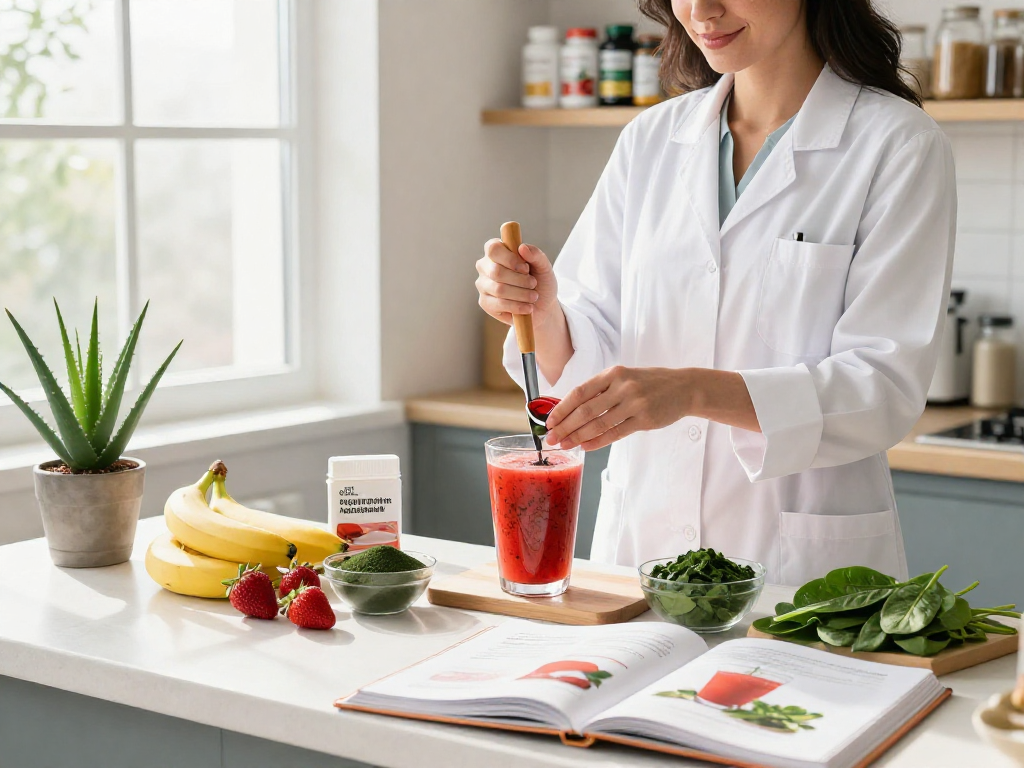
For those seeking to reap the benefits of astaxanthin beyond topical applications, dietary sources are an excellent option. Consuming foods rich in astaxanthin, such as salmon, trout, shrimp, and krill, can contribute to improved skin health from the inside out. Plant-based sources like red fruits, watermelon, and certain microalgaes also provide astaxanthin and should be included in a balanced diet.
Personal Care Products Containing Astaxanthin
In addition to skincare products, astaxanthin is increasingly being added to personal care items like shampoos and lotions. By integrating astaxanthin into these products, consumers can enhance their routine, reaping full-body benefits. Always check for high-quality formulations with active astaxanthin to ensure efficacy.
Potential Benefits of Astaxanthin for Skin
Reducing Signs of Aging
Astaxanthin's capacity to combat oxidative stress can directly lead to a reduction in visible aging signs. Regular use can enhance skin elasticity and diminish fine lines by promoting collagen production. With prolonged use, many individuals may notice that their skin appears firmer and more youthful.
Enhancing Skin Hydration and Elasticity
In addition to its antioxidant effects, astaxanthin has been shown to improve skin hydration. By improving the skin barrier function, it prevents moisture loss and helps maintain a plump and hydrated appearance. This is particularly beneficial for those with dry or sensitive skin types.
Sun Protection and Damage Repair
Astaxanthin demonstrates unique properties that aid in UV protection and damage repair. When used topically or taken as a supplement, it can minimize sun-induced skin damage, reduce the risk of sunburn, and increase the skin's resilience against harmful UV rays, promoting a healthier complexion.
Frequently Asked Questions About Astaxanthin and Skin
Is astaxanthin safe for all skin types?
Yes, astaxanthin is generally considered safe for all skin types. However, doing a patch test is recommended, especially for individuals with sensitive skin.
Can I use astaxanthin with other skincare ingredients?
Yes, astaxanthin can be combined with other skincare ingredients like hyaluronic acid and retinol to enhance overall effectiveness and benefits.
How long does it take to see results?
Results can vary by individual, but many users report noticeable improvements in skin texture and hydration within 4 to 12 weeks of consistent use.
What are the best dietary sources of astaxanthin?
Some of the best dietary sources include salmon, krill, shrimp, and microalgae, making it easy to incorporate into a balanced diet.
Can astaxanthin help with acne-prone skin?
Astaxanthin may help with acne-prone skin by reducing inflammation and promoting healing, due to its potent antioxidant properties that can support skin health.